

Q&A
Leonardo Martinez-Diaz
{
  "authors": [
    "Leonardo Martinez-Diaz"
  ],
  "type": "commentary",
  "blog": "Emissary",
  "centerAffiliationAll": "dc",
  "centers": [
    "Carnegie Endowment for International Peace"
  ],
  "englishNewsletterAll": "ctw",
  "nonEnglishNewsletterAll": "",
  "primaryCenter": "Carnegie Endowment for International Peace",
  "programAffiliation": "SCP",
  "programs": [
    "Sustainability, Climate, and Geopolitics"
  ],
  "regions": [
    "United States"
  ],
  "topics": [
    "Climate Change",
    "Domestic Politics",
    "Foreign Policy"
  ]
}
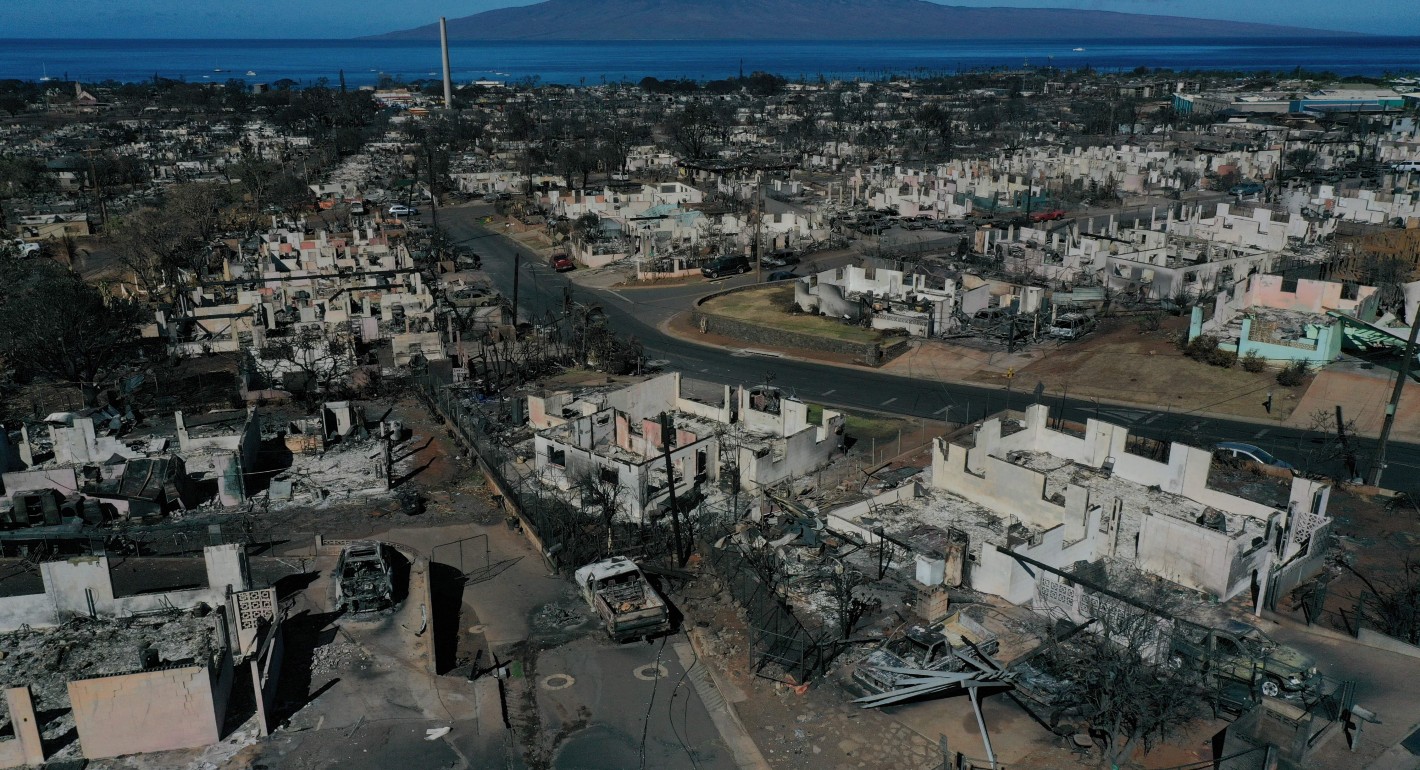
The aftermath of the Maui wildfires in Lahaina, Hawaii, on August 17, 2023. (Photo by Patrick T. Fallon/AFP via Getty Images)
Natural disasters are no longer local incidents but sources of systemic risk that threaten vital infrastructure and the economy—and public support for international engagement.
Senior policymakers working on foreign policy, military strategy, and global diplomacy rarely pay attention to natural disaster preparedness and response within the United States—except when these disasters threaten military readiness, facilities, or hardware. Other than that, storms, floods, extreme heat, and wildfires are seen as domestic issues, squarely in the bureaucratic turf of the Department of Homeland Security (DHS) and the Federal Emergency Management Agency (FEMA). Foreign policy officials rarely acknowledge the links between disaster response at home and U.S. capacity to advance its interests globally.
Yet, in the twenty-first century, the United States’ capacity to anticipate, prepare for, and respond effectively to extreme weather events will be essential not just to the health and welfare of its people, but also to its ability to engage productively in global affairs. The reason is that natural disasters are no longer modest-scale, localized incidents, easily contained and absorbed by the world’s largest economy. They are becoming sources of systemic risk that threaten the nation’s vital infrastructure, economic dynamism, fiscal capacity, and public support for international engagement.
Yes, anthropogenic climate change is part of this, but only a part. Climate change is exacerbating the severity of certain natural disasters, particularly the intensity and duration of heat waves, the intensity of rainfall and storm surge, and the proportion of storms that become Category 4 or 5 hurricanes. But another, even more critical factor is years of accumulated infrastructure, residential, and commercial buildout in disaster-exposed geographies of the United States. Such risky development continues today.
Managed poorly, natural disasters will gradually erode the foundations of American power in the world, in addition to risking lives and livelihoods at home. As we enter a summer that is expected to bring more extreme weather than usual, the issue will acquire new urgency. President Donald Trump’s administration is in the middle of a policy pivot on disaster preparedness and assistance. Where it goes next will make a big difference to the future of America’s standing at home and abroad.
Extreme weather events are imposing ever-larger costs on the country, but these are often underestimated. Let’s look at the costs to the government first. According to Bloomberg Intelligence, FEMA relief, climate-related support for farmers, housing aid, major disaster supplemental appropriations, and matching funds from state budgets add up to about $1.1 trillion over the past twenty years—an average of $55 billion annually. These costs are already comparable to fighting another “forever war.” (The war in Afghanistan, for instance, cost an estimated $2.3 trillion, an average of $115 billion annually.) This fiscal burden will become a real problem for an aging nation with a federal government that currently borrows nearly $2 trillion a year to finance its deficits and a national debt that recently surpassed 100 percent of GDP.
But the public outlays are just the tip of the iceberg. The private sector and households also shell out billions for reconstruction, repairs, and absorbing the cost of power outages and other economic damage. Plus, there’s the cost of property and casualty insurance, the premiums for which have increased 28 percent between 2017 and 2024—after accounting for inflation. Add it all up, and the actual costs amounted to just under $1 trillion in 2024 alone, or about 3 percent of GDP. This is a conservative estimate because it does not include hard-to-quantify costs, such as the impacts of extreme weather on human health and worker productivity.
Another underappreciated aspect of the economic damage is the long tail of extreme weather events. The economic damage is often deep and persists long after a disaster has vanished from the headlines and social media. Most people come back to their homes and communities after rebuilding, but many do not. An estimated 1 million people are displaced for six months or longer, and some never return, against their wishes. The long-term displaced fall through the cracks of federal disaster aid because the programs are mostly designed to provide short-term support. Displacement means lost wages, interrupted skills-building and education, delayed investments, and businesses that take longer to reopen.
Extreme weather events are starting to affect the country’s vital infrastructure, much of which is already creaky and in need of upgrades. Extreme heat, for example, can cause train tracks to buckle in what experts call “sun kinks,” forcing passenger and cargo trains to slow down for safety, at considerable cost in time and money. In some cases, the trains can derail. Already, U.S. trains experience fifty derailments a year, on average, because of sun kinks.
Another example is the nation’s fleet of nearly a hundred nuclear reactors. Nuclear power plants are often built along the coast, as they need water for cooling. Rising sea levels put some of these plants at risk, as well as spent nuclear fuel facilities. Over the next twenty years, rising temperatures, escalating flood risk, and rising water stress will threaten fifty-seven nuclear power plants in the United States. Whether extreme weather shuts down transportation or power infrastructure, the economic impacts can be significant and can quickly cascade down supply chains and communities.
Congress has tried, on a bipartisan basis, to address some of these threats. The 2021 Infrastructure Investment and Jobs Act made available a record $38 billion for resilience efforts, including to harden transportation infrastructure across the country. But most of these investments have entered a period of uncertainty, delay, and sometimes suspension under current policy.
Finally, weak disaster preparedness and response at home can undermine U.S. foreign policy by detracting from public support for American engagement abroad. That support is already flagging. Young Americans today give much less importance to U.S. power and influence abroad than older generations. The Iran war, which is already the least popular foreign intervention in recent memory and is growing more unpopular every day, will accelerate this trend.
Shambolic responses to natural disasters risk deepening this belief. If Americans are left in the lurch by their government during their most desperate moments, they will be much less inclined to spend money abroad on aid, war, or anything else. Here’s a typical view from a self-identified Republican, reported in a respected annual survey of U.S. public opinion: “We don’t need to be totally isolated from the other countries of the world, but we should ensure the people of our own country are properly cared for and protected before ensuring the same for those of other nations.” An unaffiliated respondent in the same survey put it this way: “We are spending entirely too much on spending to protect other countries when we can’t even protect or provide for our own citizens.”
Not surprisingly, foreign powers hostile to the United States are seeking to exploit these feelings to undermine U.S. policy abroad. Russia, for example, launched a propaganda campaign on social media to persuade Americans that U.S. assistance to Ukraine comes at the expense of those affected by the devastating Hawaii wildfires in 2023. The tagline of these bot-powered social media posts was “Hawaii, not Ukraine.”
After a year of what my colleague Sarah Labowitz has called “chaotic austerity,” the Trump administration may be pivoting back to a more constructive approach to federal disaster assistance and preparedness. It’s trying to hire back FEMA employees it fired last year. It has put in place more sensible DHS and FEMA leadership. It’s attempting to rebuild the workforce at the National Weather Service after firing hundreds of employees. And it has restarted the Building Resilient Infrastructure and Communities (BRIC) grants program to build resilience against natural disasters. All this suggests the administration is getting more serious about strengthening disaster preparedness and response.
The administration’s guiding principle, expressed in the report of the presidentially appointed FEMA Review Council, is a disaster response system that is “locally executed, state or tribally managed, and federally supported.” In practice, according to the council’s recommendations, this will mean cutting back federal disaster aid significantly and pushing risk and responsibility for disaster preparedness and response down to state and local governments.
The rub is that institutional and fiscal capacity varies widely across the fifty states. Most are nowhere close to being able to handle major and even medium-sized disasters on their own. Most also lack the financial firepower to invest in resilience and risk mitigation. Cutting back federal involvement before major investments in state and local capacity have been made will mean more fragility, not less. Alarmingly, the council says it is “imperative” that its vision be implemented “over two to three years,” a timeline much too short for the task at hand.
Where the administration and Congress go next on disaster policy will have lasting consequences. Reform could help the United States cope with the climate challenges of the coming decades, protect its vital infrastructure and economic dynamism, and persuade Americans that their government has their backs. Or it could lead to a more vulnerable, diminished, and inward-looking nation. Either way, it’s time that those interested in America’s role in the world pay closer attention to this debate and recognize that the United States is only as strong as its capacity to adapt and prosper in a changing climate.
Understand the world with the latest from our scholars around the world.

Senior Fellow and Director, Sustainability, Climate, and Geopolitics Program
Leonardo Martinez-Diaz is senior fellow and director of the Sustainability, Climate, and Geopolitics Program at the Carnegie Endowment for International Peace. His fields of expertise include climate politics and diplomacy, climate finance, and mitigating and managing the risks of climate change to economies and communities.
Recent Work
Leonardo Martinez-Diaz



James M. Acton, Saskia Brechenmacher, Cecily Brewer, …
Carnegie does not take institutional positions on public policy issues; the views represented herein are those of the author(s) and do not necessarily reflect the views of Carnegie, its staff, or its trustees.
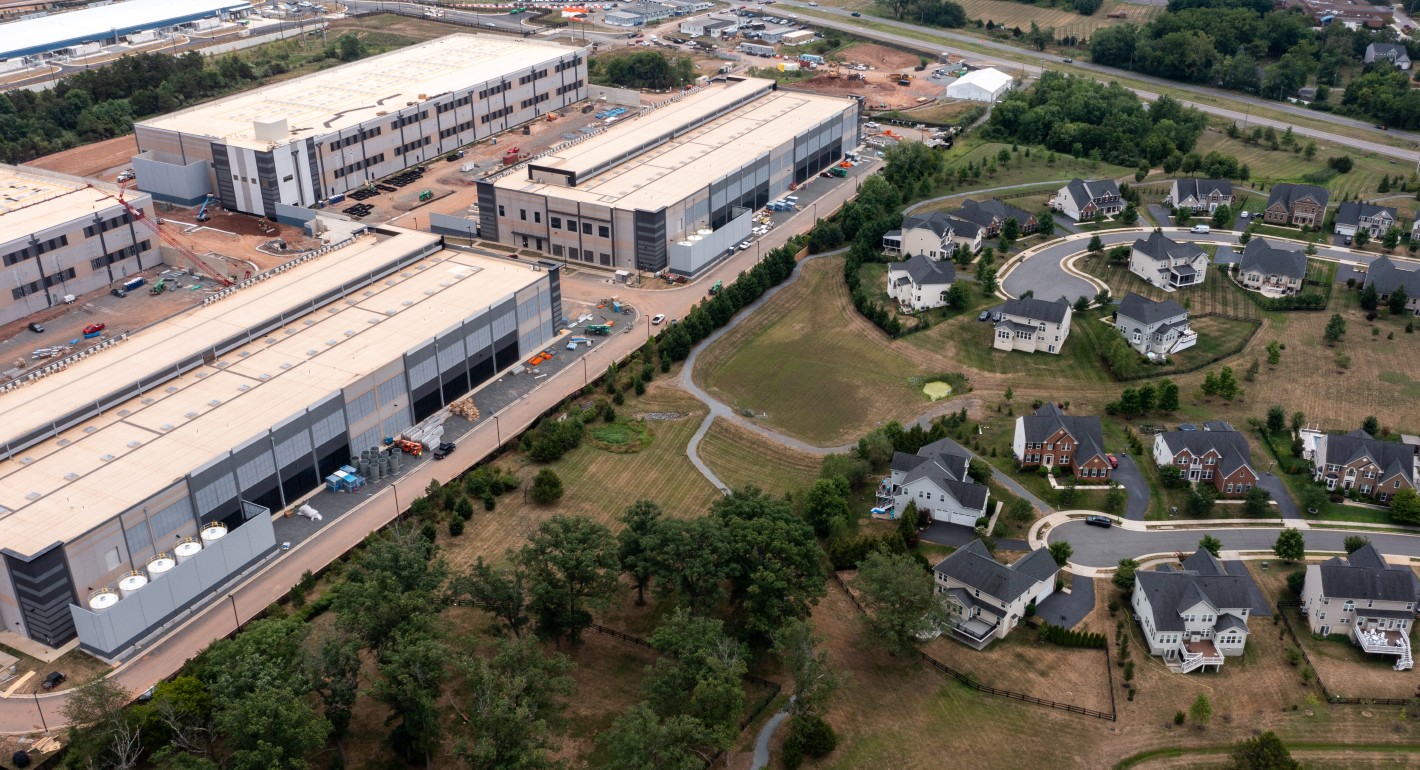
Examples from Virginia and Lake Tahoe reveal complex situations that governments could use to fund critical grid upgrades.

Kate Gordon, Noah Gordon
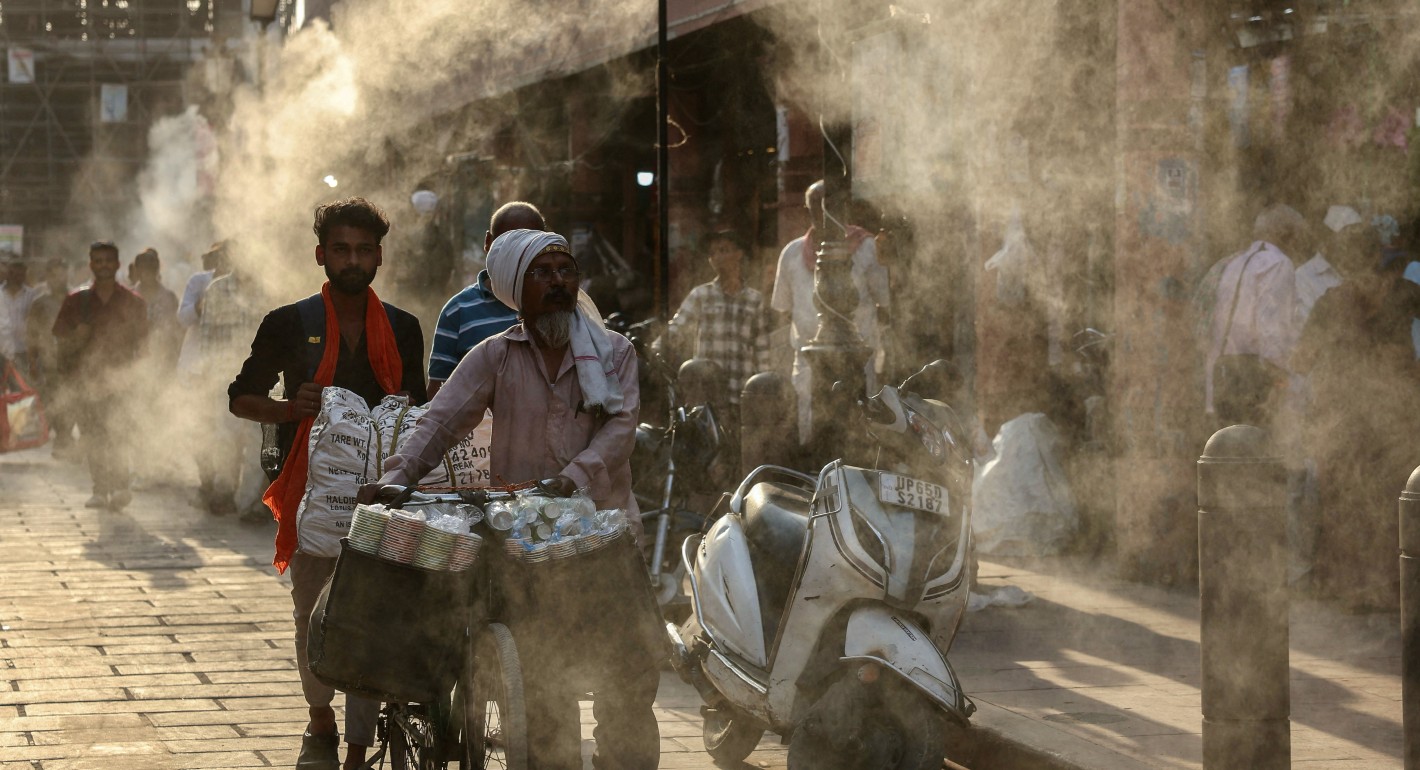
As “unprecedented” temperatures become routine, the country is failing its energy transition stress test.

Kayly Ober
Instead, governments should adopt climate-friendly measures to address the impact of rising prices.

Henok Asmelash
Its reinstatement should be celebrated, but it retains some major shortcomings.
Leonardo Martinez-Diaz
As the Iran war shocks oil prices, countries that have invested in renewables, EVs, and battery development since the 2022 Russian invasion of Ukraine are seeing the value of their investments.
Noah Gordon