

Other
- +18
James M. Acton, Saskia Brechenmacher, Cecily Brewer, …
{
  "authors": [
    "James M. Acton"
  ],
  "type": "commentary",
  "blog": "Emissary",
  "centerAffiliationAll": "dc",
  "centers": [
    "Carnegie Endowment for International Peace"
  ],
  "englishNewsletterAll": "ctw",
  "nonEnglishNewsletterAll": "",
  "programAffiliation": "NPP",
  "programs": [
    "Nuclear Policy"
  ],
  "regions": [
    "Iran",
    "United States"
  ],
  "topics": [
    "Nuclear Policy",
    "Foreign Policy"
  ]
}
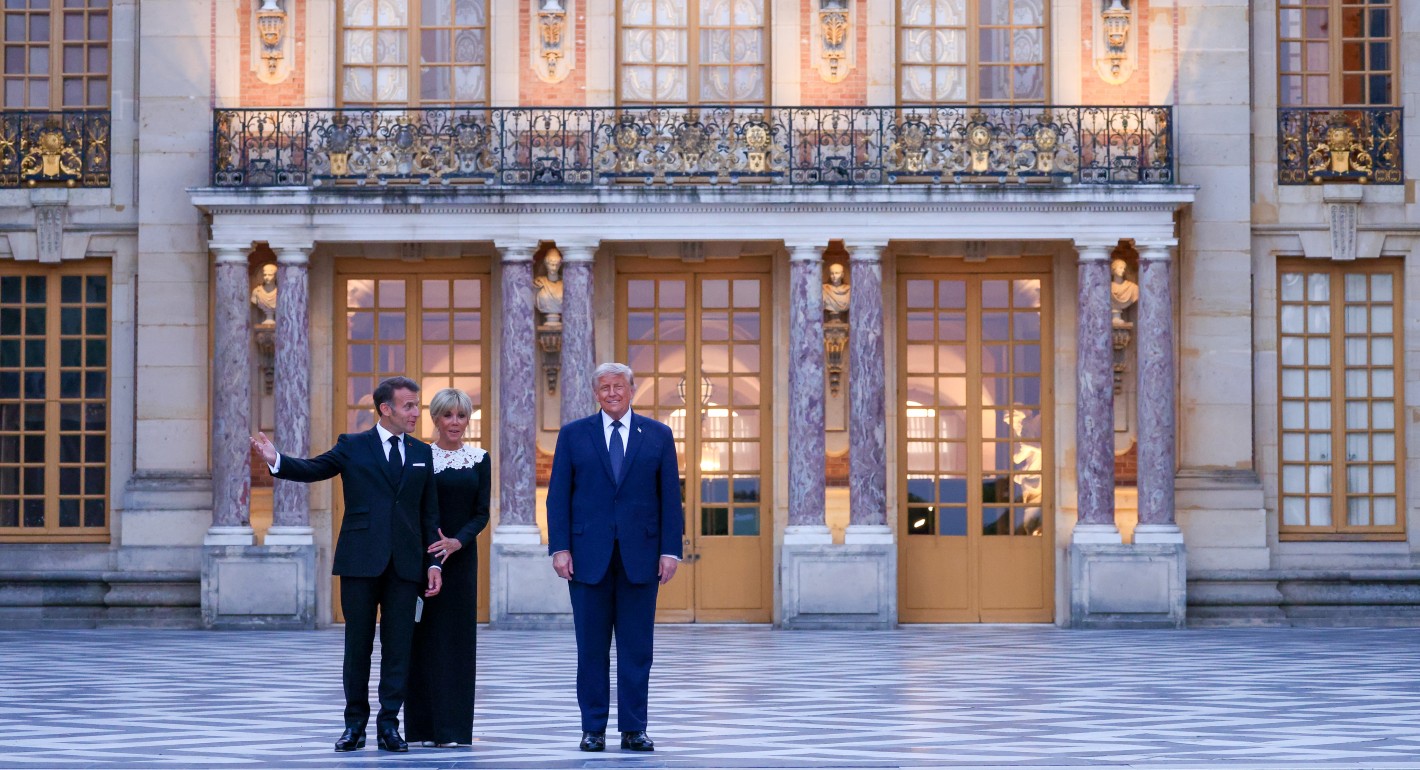
The Macrons and Trump outside Versailles on June 17, 2026. (Photo by Marc Piasecki/Getty Images)
By burying disagreements in imprecision, the new deal risks same fate as its predecessors.
Almost twenty-five years of diplomatic efforts to rein in Iran’s nuclear program hold a crucial lesson: Vagueness is a recipe for failure. Precision, even in an agreement that is more permissive than would be ideal, facilitates success.
The memorandum of understanding (MOU) between the United States and Iran, which ends this year’s catastrophic war, ignores that lesson. Diplomacy is the right strategy for dealing with Iran’s nuclear program. However, without a significant course correction, the new deal risks becoming another that unravels because negotiators, under pressure to reach any agreement, buried their disagreements in imprecision.
The first nuclear deal with Iran was reached by France, Germany, and the United Kingdom in 2003, just over a year after the world learned of Tehran’s clandestine nuclear program. In that agreement, in language that may seem precise, Tehran “decided voluntarily to suspend all uranium enrichment” activities.
Yet, in reality, this was a diplomatic fudge. Iran claimed that it was permitted to manufacture centrifuge components and produce uranium hexafluoride, the feedstock for enrichment, so long as it did not actually enrich that material. Its interlocutors thought those activities were prohibited. That disagreement caused the collapse of the 2003 agreement in less than a year.
The new MOU contains similar ambiguities. Iran promises “to maintain the current status quo of its nuclear program” for now. But the document’s failure to define the status quo creates problems. For example, Iran has undertaken clean-up activities and enhanced security at various nuclear sites around the country following the 2025 and 2026 wars. Would efforts to extract entombed enriched uranium in the name of environmental protection or improved security violate the MOU? Washington would say yes, but the document’s vagueness simply invites Iran to try.
Another problem that has bedeviled past agreements is vagueness about the terms of future negotiations.
After the collapse of the 2003 agreement, Berlin, London, and Paris tried again and reached a second nuclear deal with Tehran in 2004. Iran once again suspended enrichment activities (which were defined in somewhat more detail this time). It also committed to negotiate an agreement that contained “objective guarantees” to ensure its nuclear program would be used exclusively for peaceful purposes.
Spot the vagueness here?
The European governments believed that the term “objective guarantees” required Iran to permanently abandon its enrichment program. Iran disagreed and refused to give up what it saw as a right. This impasse led to the collapse of the 2004 deal in the year after its signing.
The new MOU is no clearer about the future. The United States and Iran have agreed “to discuss the issue of enrichment” with the goal of reaching a final agreement within sixty days. This provision seems no more likely to lead to a long-term suspension of enrichment—the stated goal of President Donald Trump—than Iran’s 2004 commitment to negotiate “objective guarantees.”
The Trump administration has responded to criticism by claiming that the precise terms of the MOU don’t matter. “People shouldn’t read too much into the language,” an unnamed official said. “What’s more important than the actual document is the understandings we have with each other.”
The administration needs to ditch this kind of wishful thinking. Whether Iran will comply with written provisions remains to be seen, but it is virtually certain it will ignore unwritten ones.
Fortunately, the administration can still change course. Washington should continue to try to implement the MOU; doing so is far preferable to restarting a ruinous war or just walking away from the threat posed by Iran’s nuclear program. In the next phase of negotiations, however, the United States should demand precision, including carefully crafted verification measures. In return, Tehran will obviously insist on similar specificity about the benefits it will receive, especially the timetable for sanctions relief. It will likely also demand a more extensive nuclear program than Washington wants to allow.
All that makes for a fair trade, as the Joint Comprehensive Plan of Action demonstrates. It allowed enrichment in Iran but also spelled out the limits of Iran’s nuclear activities, the way those limits would be verified, and the benefits due to Iran in 159 pages of eye-watering detail. And it worked. In 2018, just three months before Trump withdrew from the agreement, his own director of national intelligence publicly assessed that Tehran was complying with it.
The Trump administration may not want to hear that it should model a new agreement on the Joint Comprehensive Plan of Action. Moreover, it’s shown little interest in the time-consuming, detail-oriented diplomacy that would be needed. But if the administration is serious about digging itself out of the hole it bombed itself into, it should heed the lessons of the past quarter-century.
Understand the world with the latest from our scholars around the world.

Jessica T. Mathews Chair, Co-director, Nuclear Policy Program
Acton holds the Jessica T. Mathews Chair and is co-director of the Nuclear Policy Program at the Carnegie Endowment for International Peace.
Recent Work


James M. Acton, Saskia Brechenmacher, Cecily Brewer, …
James M. Acton
Carnegie does not take institutional positions on public policy issues; the views represented herein are those of the author(s) and do not necessarily reflect the views of Carnegie, its staff, or its trustees.
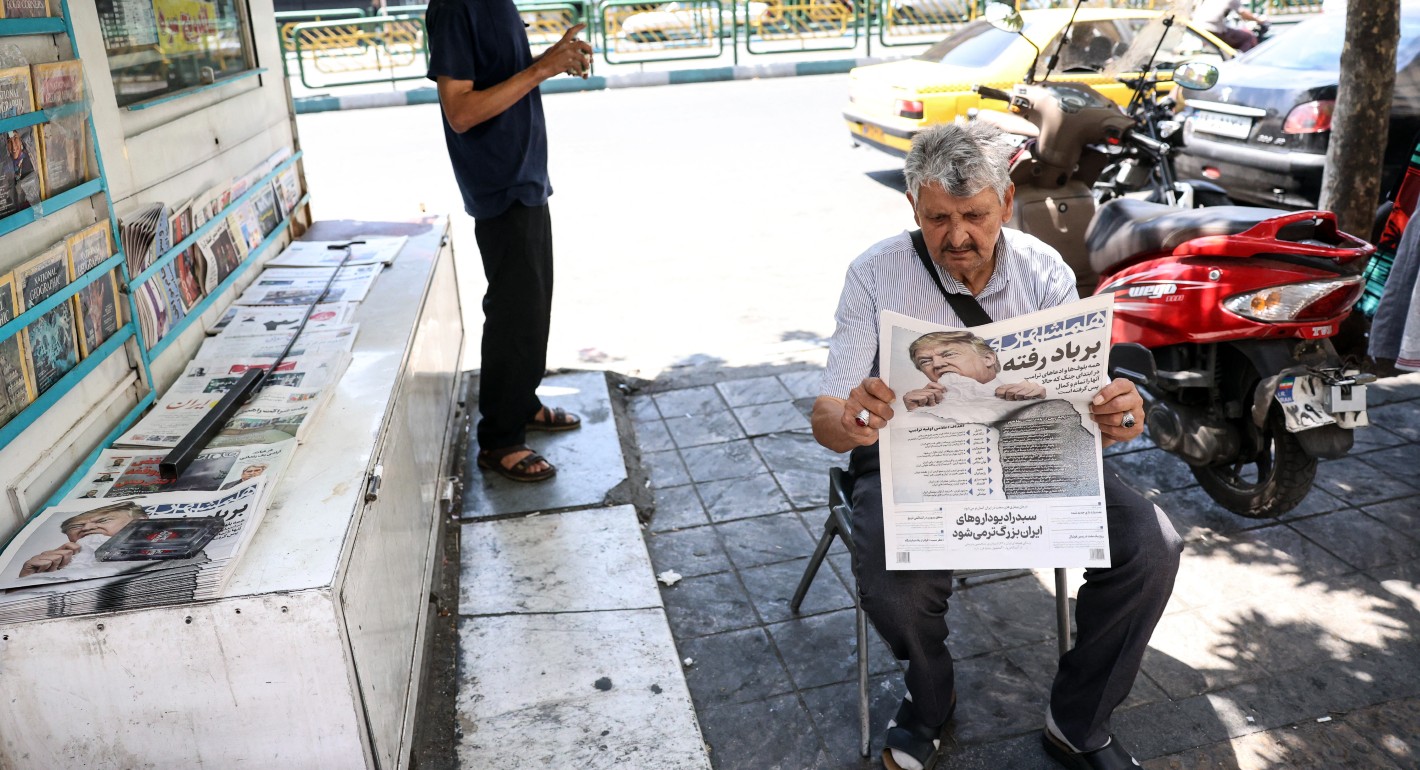
The United States and Israel may have unwittingly revived the Islamic Republic’s “zombie regime.”



Suzanne Maloney, Aaron David Miller, Karim Sadjadpour
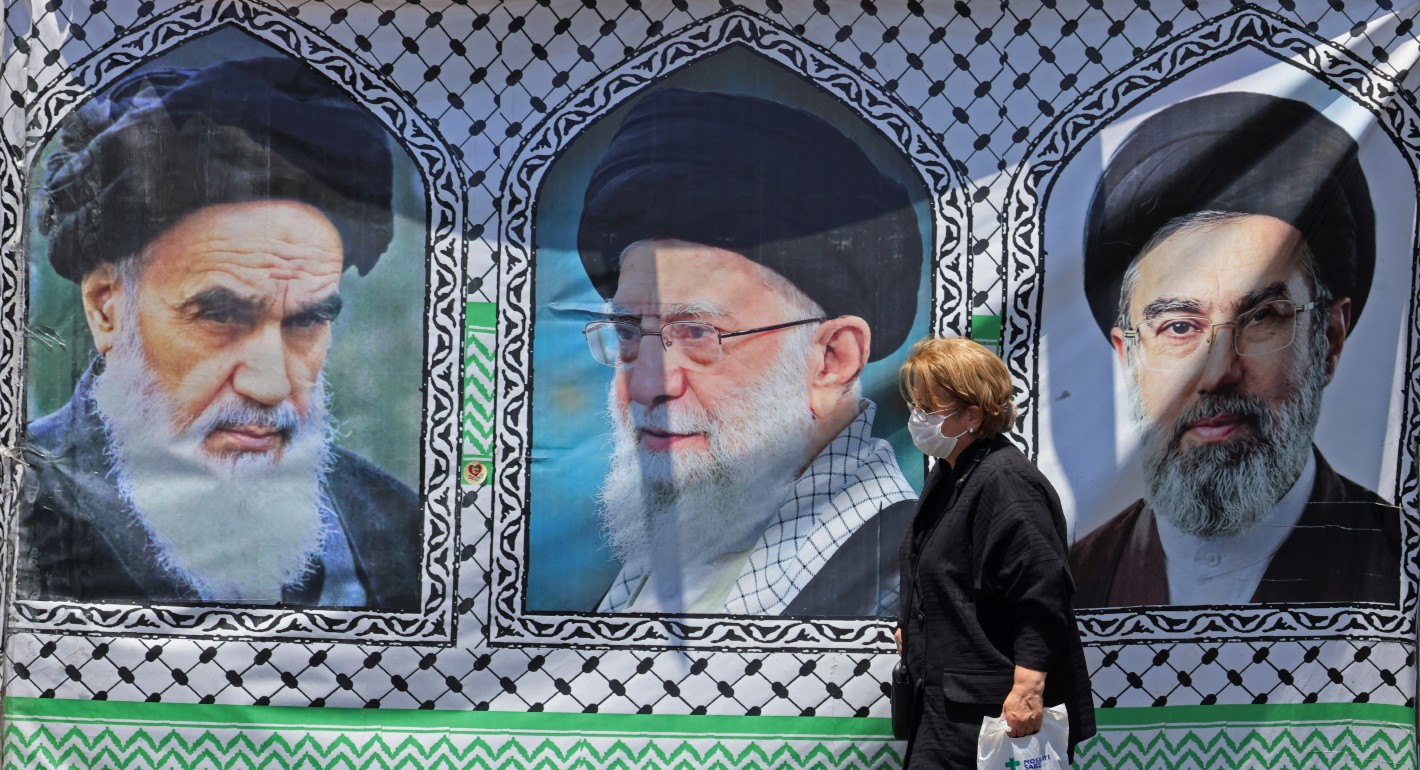
The Islamic Republic’s words and actions suggest that it has changed its approach to both diplomacy and war.
Mohammad Ayatollahi Tabaar
Why the outcomes of the U.S.-China meetings may be limited.

Aaron David Miller, David Rennie

Instead, governments should adopt climate-friendly measures to address the impact of rising prices.

Henok Asmelash
Tehran may conclude that its ability to disrupt the global economy via the Strait of Hormuz provides enough deterrence to begin quietly rebuilding its nuclear program.

Jane Darby Menton, Mohammad Ayatollahi Tabaar